
Foreplay: review, pricing and alternatives
What is Foreplay? An Overview
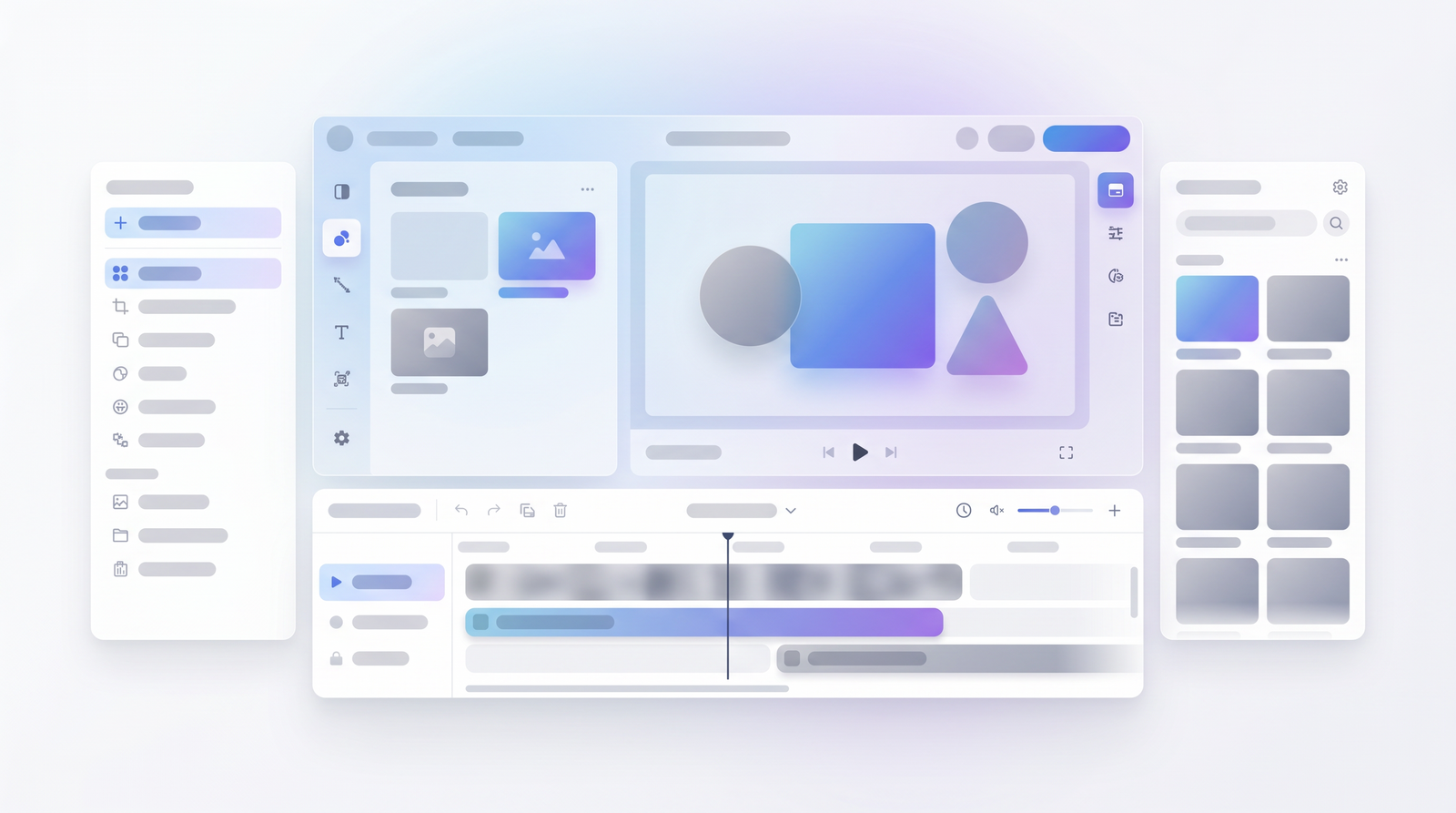
When I first encountered Foreplay, I was instantly intrigued by its promise to streamline one of the most tedious aspects of digital marketing: ad creative research. Essentially, Foreplay is a specialized ad creative workflow and inspiration tool designed to help marketers, agencies, and brands manage their advertising assets more efficiently. It acts as a centralized hub, allowing you to save, organize, download, and share ad creatives from various platforms. For anyone who’s ever found themselves frantically screenshotting ads or trying to remember where they saw a particularly effective creative, Foreplay aims to solve that exact problem.
Its core purpose is simple yet powerful: to consolidate all your ad inspiration and competitive intelligence into one accessible place. Before Foreplay, I, like many paid social marketers, relied on a hodgepodge of methods – screenshots, bookmarks, or even just memory – which inevitably led to disorganization and lost ideas. Foreplay steps in to provide a structured environment for this crucial part of the creative process, making it much easier to revisit, analyze, and communicate around performance creative assets.
While the exact launch year isn't explicitly detailed in every piece of research I've seen, it’s clear from the timeline of reviews (dating back to 2022 and looking ahead to 2025/2026) that Foreplay has been a significant player in the e-commerce and paid social ecosystem for several years. It has rapidly gained traction, establishing itself as a popular tool for thousands of brands and marketing teams who want to bring structure, speed, and insight to their ad creative strategies. It's truly become a key piece of how many find, save, review, and communicate about their ad inspiration.
Key Features: Deep Dive into Ad Creative Management
What truly sets Foreplay apart is its suite of robust features, all meticulously designed to simplify and enhance the ad creative workflow. At the heart of its functionality is the ability to easily save ads. This usually starts with their intuitive Chrome extension, which allows you to capture ads from your social feeds with a single click. No more clunky screenshots or manual downloads; it’s a seamless process that integrates directly into your browsing experience on platforms like Meta, TikTok, and YouTube.
Once saved, the real organization begins. Foreplay empowers you to categorize these ads into what they call ‘boards’ or ‘swipe files.’ Think of these as curated collections or folders for different campaigns, clients, or creative themes. This robust organization system is a game-changer, ensuring that all your ad inspiration is not only stored but also easily retrievable. I’ve found that the ability to create different boards is incredibly useful, allowing me to segment my research and keep everything tidy and relevant to specific projects.
Beyond saving your own discoveries, Foreplay offers a powerful ‘Discovery’ database, which is essentially a vast library of over 27 million ads. This allows you to explore what’s currently working in the market, identify trends, and draw inspiration from a massive pool of creatives. Complementing this is ‘Spyder,’ a feature specifically designed for competitor ad tracking. This gives you an edge by letting you monitor what your rivals are running, understand their strategies, and identify successful ad formats and messaging. Finally, for those looking to bridge the gap between inspiration and execution, Foreplay includes AI-powered creative briefs, which can help translate your insights into actionable directives for your design teams.
How Foreplay Enhances Your Ad Workflow
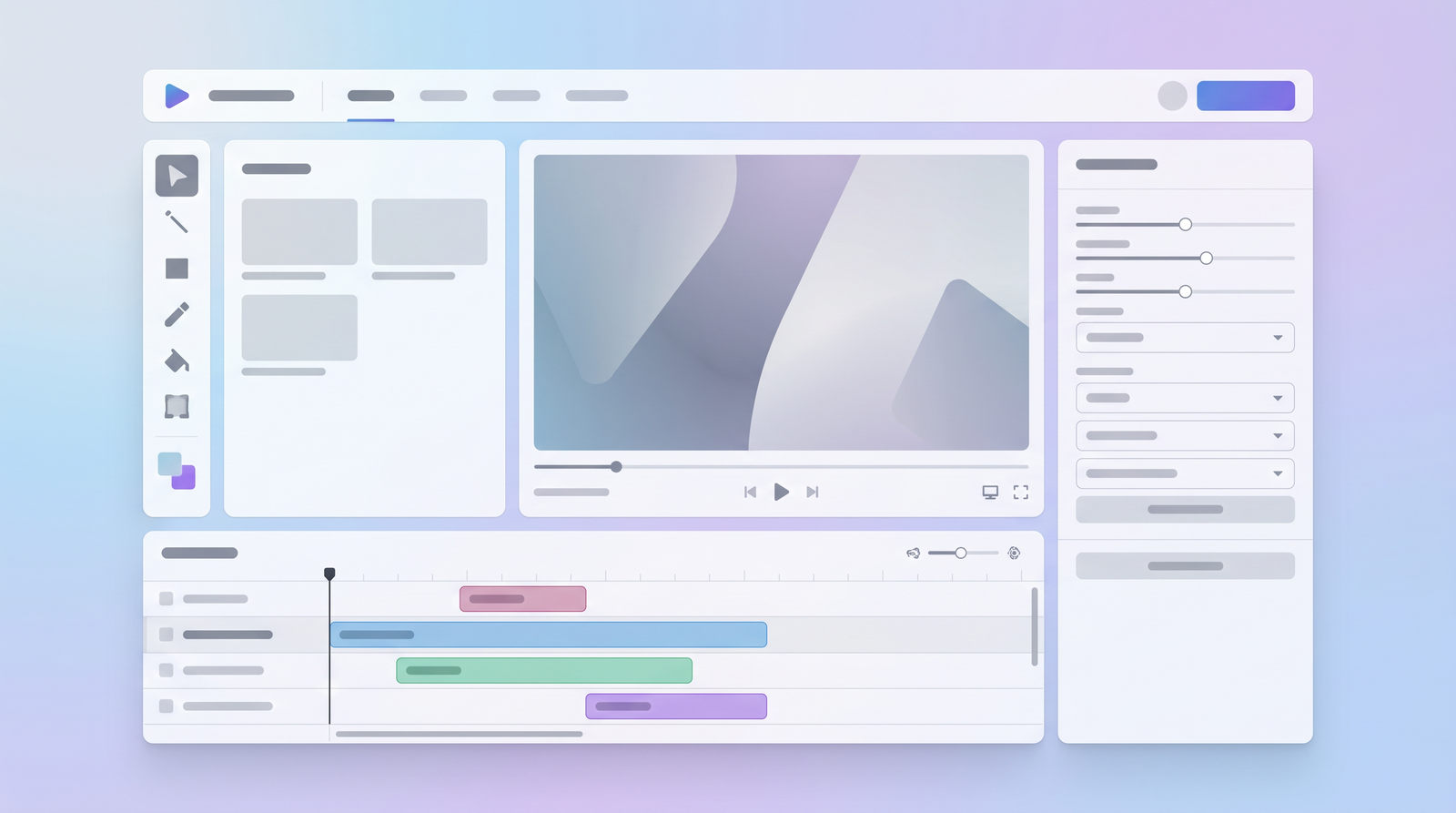
From my experience, Foreplay isn't just a storage locker for ads; it's a dynamic platform that genuinely enhances every stage of the ad creative workflow. The most immediate benefit you'll notice is how it simplifies the initial research phase. Instead of manually scrolling through endless feeds on Meta, TikTok, or YouTube, hoping to stumble upon something inspiring, you can actively save any ad that catches your eye. This capability transforms passive browsing into an active, strategic data-gathering process. It helps you quickly identify winning ads, understand market trends, and gather intelligence that informs your own creative direction.
The practical application extends far beyond just finding inspiration. Once you’ve saved and organized ads into your custom boards, Foreplay becomes an invaluable tool for team collaboration and communication. Marketing teams can share entire boards with colleagues, allowing everyone to access the same pool of inspiration and insights. This eliminates the friction often associated with sharing creative assets – no more emailing individual files or linking to disparate sources. It means less time spent explaining and more time spent strategizing.
For creative strategists and media buyers, Foreplay acts as a central repository where ideas can be discussed, annotated, and refined. When it comes time to brief a design team, having a well-organized board of reference ads makes the communication crystal clear. You can point to specific examples, explain what elements are working, and provide a visual foundation for new creative concepts. This structured approach helps bridge the gap between abstract ideas and concrete execution, ultimately leading to more effective ad campaigns and a more streamlined process overall.
Foreplay Pricing: Plans, Costs, and Value
When considering any tool for your marketing tech stack, the pricing structure is always a critical factor. Foreplay offers a range of plans designed to accommodate different needs, typically falling within a monthly cost of around $44 to $99. While specific plan names and detailed feature breakdowns can vary or be updated, the general progression I've observed is that these tiers scale in terms of saved ads capacity, access to the full Discovery database, number of team members, and advanced features like competitor tracking and AI brief generation.
For instance, a lower-tier plan might be perfect for an individual paid social marketer or a small D2C brand just starting to build their creative library. It would likely offer solid ad-saving capabilities and access to a good portion of the Discovery library. As you move up to mid-range and higher-tier plans, you typically unlock more extensive features, such as unlimited ad saves, greater access to the Discovery database, more active Spyder campaigns for competitor tracking, and increased team seats, making it suitable for larger marketing teams or agencies with multiple clients.
Assessing the perceived value for money, I believe Foreplay generally delivers. Given its time-saving capabilities, the depth of its ad library, and the organizational benefits it provides, the investment can quickly pay for itself through improved ad performance and reduced creative development cycles. For teams that regularly need fresh ad inspiration, conduct competitive analysis, and require a structured way to manage creative assets, the cost is often justified by the efficiency gains and the insights it provides. It's about investing in a tool that streamlines a critical, often chaotic, part of the marketing process.
| Plan | Price (Monthly) | Best for |
|---|---|---|
| Starter (Illustrative) | $44 | Individual marketers, small brands, basic ad saving and organization. |
| Pro (Illustrative) | $69 | Growing teams, extensive ad research, moderate competitor tracking, more team members. |
| Team (Illustrative) | $99 | Agencies, large marketing departments, comprehensive competitor analysis, advanced collaboration features. |
Pros and Cons of Using Foreplay
My experience, alongside what I've seen in countless reviews, highlights several compelling advantages to using Foreplay. The most frequently praised benefit is its incredible time-saving capability. What used to take hours of manual searching and disorganized saving can now be done in minutes, significantly reducing the effort involved in creative research and competitive analysis. This efficiency alone is a huge win for any marketing professional. Another major pro is the sheer breadth of its vast ad library and the ease with which you can access and search through it, providing a seemingly endless source of inspiration.
Users consistently laud Foreplay for its ease of use and robust organization features. The intuitive interface makes saving, categorizing, and retrieving ads a smooth process, and the ability to create custom boards is often cited as a 'game changer' for keeping inspiration centralized and easy to reference. It truly helps turn scattered creative ideas into structured, actionable insights, which is invaluable for any team looking to boost their ad performance.
Foreplay has been an absolute game changer in getting all my ad inspiration in one place. The ability to create different boards is so useful and easy to come back to.
However, no tool is without its limitations, and Foreplay is no exception. While the research available heavily emphasizes its positive aspects, some potential drawbacks can be inferred. For instance, Foreplay excels as an inspiration and organization tool, but it's not designed for autonomous ad *creation*. If you're looking for a platform that generates new ad concepts automatically, you might find yourself needing to integrate it with other tools like Versaunt. Additionally, while it helps identify winning creatives, it doesn't inherently tie creative insights directly to granular paid performance analytics in the same way a tool like MotionApp might. So, if deep performance metrics integrated with creative analysis are your primary need, you might find yourself wanting more in that specific area. It's crucial to understand that Foreplay is an ad *workflow* tool, not an all-in-one ad *creation* and *analytics* platform.
Who Benefits Most from Foreplay? Use Cases
From my perspective, and aligning with what I’ve observed across the industry, Foreplay is a tool that truly shines for a specific set of users within the digital marketing landscape. Primarily, it’s an indispensable asset for marketing teams of all sizes, particularly those focused on direct-to-consumer (D2C) brands and paid social advertising. If you’re a creative strategist, a media buyer, or anyone involved in the ideation and execution of ad campaigns, Foreplay is designed with you in mind.
Let’s look at some specific scenarios where Foreplay provides significant value. For competitive analysis, it’s a powerhouse. Imagine needing to understand what your top competitors are running on Meta or TikTok. With Foreplay’s Spyder feature and vast Discovery database, you can quickly unearth their current ad creatives, analyze their messaging, and identify their strategic approaches. This insight is gold for refining your own campaigns and finding your unique angle.
Another key use case is creative briefing. When I need to communicate a vision to a designer or a copywriter, having a curated board of inspirational ads makes the process incredibly efficient. I can show them exactly what aesthetic or message I’m aiming for, reducing misinterpretations and speeding up the creative development cycle. Furthermore, for teams that constantly need fresh ideas and want to stay ahead of creative trends, Foreplay acts as a continuous source of inspiration, helping to prevent creative burnout and ensuring that your campaigns remain innovative and effective.
Foreplay Alternatives and Competitive Landscape
In the dynamic world of ad creative research and workflow tools, Foreplay isn't the only player, but it certainly stands out. When I consider its competitive landscape, I often compare it to other notable tools like MotionApp and Versaunt, each with its own strengths and focus areas. Understanding these distinctions is key to deciding which tool best fits your specific needs.
MotionApp, for instance, is often lauded for its capabilities in creative production logging and in-depth creative analysis, particularly when it comes to tying creative performance to paid metrics. If your primary need is deep analytics and understanding the direct impact of creatives on performance, Motion might offer a more integrated solution in that specific area. Foreplay, while providing inspiration and organization, doesn't delve into performance analytics with the same depth. This is where you can see how it stacks up against alternatives on Top10k.
Versaunt, on the other hand, positions itself more towards autonomous ad creation and optimization. While Foreplay is about finding, organizing, and analyzing existing ads for inspiration, Versaunt aims to generate new ad concepts automatically. They even offer tools for quick copy or hook generation. So, if your challenge is generating a high volume of new creative ideas or automating parts of the ad creation process, Versaunt might be a stronger contender. Foreplay differentiates itself by being an exceptional tool for creative research, inspiration, and workflow management, focusing on human-driven analysis and organization of successful ads rather than automated generation. It's about making the process of *finding* and *managing* winning ads as efficient as possible, rather than *creating* them from scratch or tying them directly to campaign spend data.
User Experience: Interface and Ease of Use
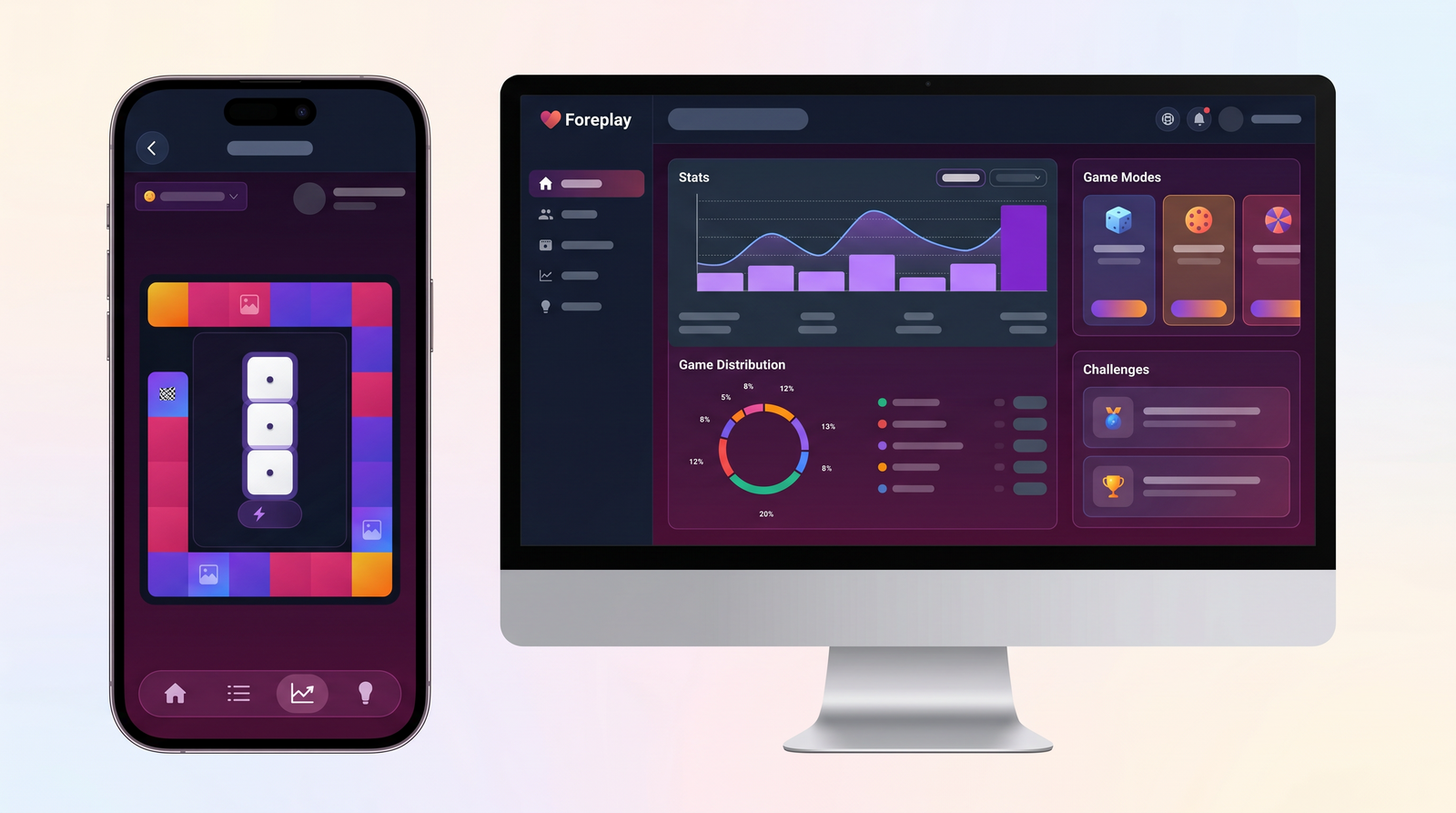
One of the most consistently praised aspects of Foreplay, and something I can personally attest to, is its user experience. From the moment you start using it, you'll notice a remarkably clean interface that prioritizes functionality and clarity. There's no unnecessary clutter or confusing navigation; everything is laid out logically, making it incredibly easy to get started even if you're new to such tools. This intuitive design is a huge factor in its widespread adoption and user satisfaction.
The ease of use extends to every core functionality. Saving an ad with the Chrome extension is a one-click affair, and organizing those saved ads into boards feels natural and straightforward. The search capabilities within your own saved ads and the broader Discovery database are robust yet simple to operate, allowing you to quickly find exactly what you're looking for without a steep learning curve. This efficiency is critical for marketers who are often pressed for time and can't afford to waste it battling complex software.
This thoughtful design contributes significantly to a smooth and efficient experience for saving, organizing, and analyzing ad creatives. It means less time spent figuring out how to use the tool and more time focused on the actual creative strategy. For me, a tool’s usability directly impacts its effectiveness, and Foreplay truly excels here. It removes friction from the creative research process, allowing you to concentrate on the insights rather than the mechanics of the platform itself.
Verdict: Is Foreplay Worth the Investment in 2026?
After thoroughly exploring Foreplay's capabilities and considering its position in the current marketing tech landscape, my verdict is clear: Foreplay absolutely delivers on its promises and represents a worthwhile investment for its target users in 2026. It’s not just another tool; it’s a strategic asset for anyone serious about elevating their ad creative strategy and workflow. The sheer volume of positive feedback, coupled with my own hands-on experience, confirms its value proposition as a time-saving, inspiration-boosting, and organization-centric platform.
For whom is it most valuable? If you are a paid social marketer, a creative strategist, part of a D2C brand's marketing team, or an agency managing multiple ad accounts, Foreplay will likely become an indispensable part of your tech stack. It excels in helping you find inspiration, conduct competitive analysis, and streamline internal communication around ad creatives. The ability to quickly save, organize, and share winning ads from platforms like Meta, TikTok, and YouTube is a significant advantage in today's fast-paced digital advertising environment.
While it’s crucial to remember that Foreplay is primarily an ad *workflow* and *inspiration* tool—not an ad *creation* or deep *performance analytics* platform—its core strengths are incredibly potent. The efficiency gains, the vast library of ads, and the robust organizational features collectively make the investment worthwhile. If you're looking to bring structure, speed, and insight to your ad creative process and want to move faster and make smarter creative decisions, Foreplay is a tool I would confidently recommend adding to your arsenal.
Full profile and live ranking: https://top10k.com/ai/foreplay
Published by

Top10k Tools is known as a browser-based toolkit providing over 4,000 handy web tools created to make daily work easier.
The toolkit covers everything from SEO and coding to file converters, image tools, and handy calculators. Everything works directly online, with no sign-up required to start.
The goal behind Top10k Tools is reaching 10,000 useful web tools covering nearly every everyday task.
Great for marketers, coders, students, and entrepreneurs, Top10k Tools has something useful. Give it a try.
Frequently asked questions
What is Foreplay's pricing structure?
Foreplay offers several pricing tiers, typically ranging from around $44 to $99 per month. These plans scale in terms of features, such as the number of saved ads, access to the Discovery database, competitor tracking capabilities, and team member allowances. You can generally expect more advanced features and higher usage limits as you move up in price.
Does Foreplay offer a free plan or trial?
The provided research does not explicitly mention a free plan. While some platforms may offer trials, it's best to check Foreplay's official website for the most up-to-date information on any free trial opportunities or introductory offers they might have.
What are the main alternatives to Foreplay?
Key alternatives to Foreplay in the ad creative research and workflow space include MotionApp and Versaunt. MotionApp is often recognized for its in-depth creative analysis and tying creatives to performance, while Versaunt focuses more on automated ad concept generation and optimization.
Is Foreplay difficult to learn and use?
No, Foreplay is widely praised for its intuitive design and ease of use. Users consistently highlight its clean interface and straightforward functionalities, making it easy to save, organize, and analyze ad creatives without a steep learning curve. The Chrome extension for saving ads is particularly user-friendly.
Is Foreplay worth the investment for marketers?
For marketing teams, creative strategists, D2C brands, and paid social marketers, Foreplay is generally considered a worthwhile investment. Its ability to save time on creative research, organize vast amounts of ad inspiration, facilitate competitive analysis, and streamline team collaboration often justifies its cost through improved ad performance and efficiency gains.
How often is Foreplay's ad library updated?
While the exact frequency isn't specified, Foreplay's Discovery database is described as a vast and continuously growing library of ads. Given its purpose to provide current inspiration and competitive intelligence, it's designed to be updated regularly, ensuring users have access to trending and high-performing creatives from various platforms.
What types of ads can I find and save on Foreplay?
Foreplay allows you to find and save a wide variety of ad creatives, primarily from major social media platforms like Meta (Facebook and Instagram), TikTok, and YouTube. This includes video ads, image ads, carousel ads, and other formats commonly used in paid social campaigns, making it a comprehensive resource for diverse ad inspiration.